
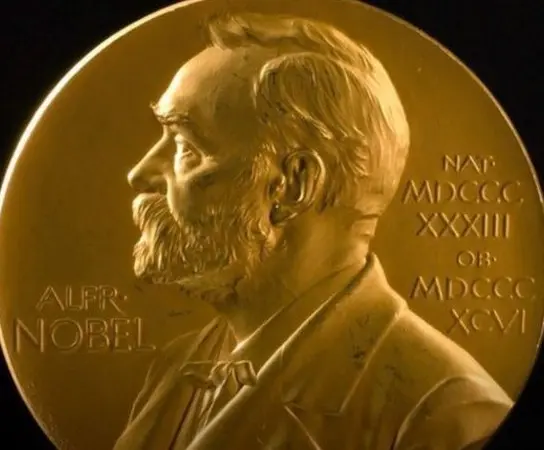
The annual awarding of Nobel Prizes reminds us of the importance of scientific discoveries in our daily lives. This year's Nobel Prize for Physiology or Medicine was directed to a field that affects each of us – immunology.
Recognition for Immune Harmony
The trio of scientists – Mary Brunkow, Fred Ramsdell, and Shimon Sakaguchi – received the highest scientific honor for discovering the mechanisms of peripheral immune tolerance. Their research revealed how specific regulatory T cells function as "guardians of balance" in our immune system.
Why is this discovery so significant? Because it changes our perspective on immunity. It's not just about a "strong" immune system, but primarily about a balanced immune system.
From Laboratory to Our Health
You might wonder – what does this scientific discovery mean for the average person? The answer is surprisingly simple: it changes our approach to supporting immunity.
The traditional view often emphasized simple "stimulation" of the immune system. However, the latest research shows that the key to health is rather modulation – fine-tuning immune responses according to the body's current needs.
Japan's Contribution to World Science
Interestingly, one of the awarded scientists, Shimon Sakaguchi, comes from Japan – a country with a long tradition of research into natural substances affecting the immune system.
The Japanese approach to health traditionally emphasizes harmony and balance rather than extremes. This principle is also reflected in modern immunology research, where Japanese scientists rank among the world's elite.
Practical Implications for Our Health
What can we take from this ground-breaking discovery for everyday life?
1. Balance Instead of Stimulation – Rather than trying to "strengthen" immunity, we should think about its balance.
2. Long-term Support – Short-term solutions often don't bring lasting results. Regular and long-term care of the immune system yields the best outcomes.
3. Natural Approaches – Natural substances often act more gently and comprehensively than synthetic alternatives, potentially better supporting natural immune balance.
4. Individual Approach – Each immune system is unique. What works for one person may not be ideal for another.
Conclusion: Science Confirms Nature's Wisdom
This year's Nobel Prize reminds us that science often confirms what traditional health systems have practiced for centuries – the importance of balance and harmony in the body.
In a time when health information is often contradictory and confusing, this scientific discovery reminds us of a simple truth: the immune system doesn't need to be "stronger" – it needs to be in balance.
---
*Note: This article is provided for educational purposes only and does not constitute medical advice. For specific health advice, always consult a qualified healthcare professional.*